Nirekha Peak Climbing (6159m.)

Nirekha Peak Climbing (6159m.)

Overview And Highlights

Trip Facts

Trip Type

Lodge / Camping

Grade

Strenuous

Altitude

6159 m.

Transportation

Ktm-Lukla-Ktm by Flight

Group Size

1 or more

Best Season

Spring and Autumn
Duration
23 Days
  • Best price guaranteed
  • Book now, pay later

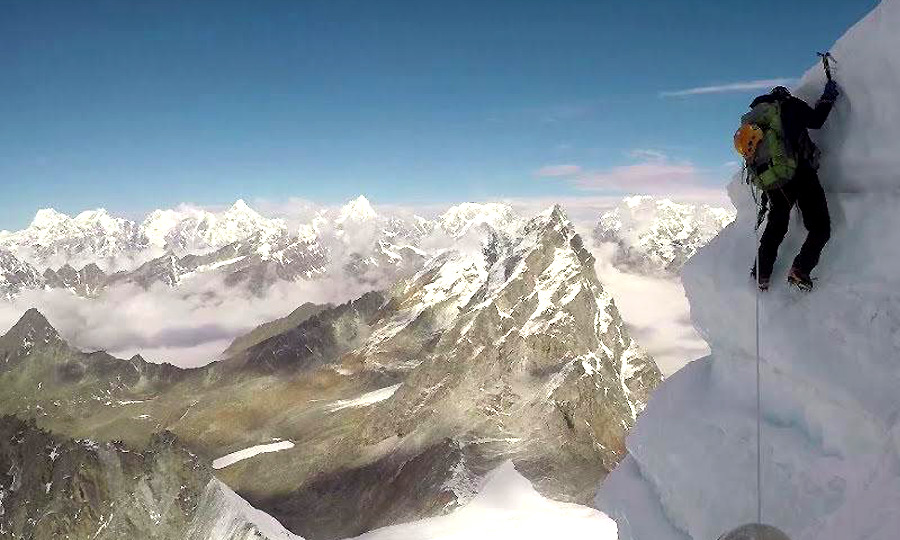
Nirekha peak (6159m, 20,206ft.) is one of many newly opened Himalayan climbing and trekking peaks in Nepal. It is one of the most famous view points among all the peaks of Nepal. From the view point, one will have panoramic views of Himalayan peaks like Everest (8848.86), Nuptse (7879m), Lhotse (9501m), Lhotse Shar (8383m), Makalu (8475m), Baruntse (7720m), and Ama Dablam (6856m) Thamserku, Cho-oyu etc.

Nirekha is in the Mahalangur Region, deep in the Himalayas, close to the Tibetan border and hidden among the well-known giants of Everest, Cho Oyu, and Cholatse. The climb itself is relatively straightforward, though it does require ice-axe, crampons and some fixed rope sections. It is a very do-able climb for anyone in good shape and with a desire for high adventure.

Nirekha peak requires some technical skills of peak climbing. Experienced climbers should attempt the summit.

Itinerary Expand All Close All

Food
Welcome Drink
Accomodation
Hotel
Elevation
1400

On your arrival at Kathmandu International Airport, you will be greeted with flower garlands/Khadas. Our representative will then take you to your hotel. If time prevails, you will visit office for paperwork.
Stay overnight at the hotel in Kathmandu.

Food
Breakfast
Accomodation
Hotel
Elevation
1400

Today, you will visit popular world heritage monuments in Kathmandu including Kathmandu Durbar Square, Boudhanath, Swoyambhunath, and Pashupatinath. Alternatively, you can choose Bhakatapur and Patan sightseeing.  By late afternoon you will drive back to your hotel.
Stay overnight at a hotel in Kathmandu.

Food
Breakfast/lunch/dinner
Accomodation
Lodge
Elevation
2640

After early-morning breakfast, our guide will pick you up from the hotel and drive to the domestic airport terminal. Receive your boarding pass and fly from Kathmandu to Lukla (2886m.) that takes about 35 minutes. The flight offers you up close views of the Himalayas and romantic landscapes of hills, farms and rivers.

On arrival to Lukla, you will begin 3 hours trek to Phakding (2640 m.). You start your trek from Lukla with a gentle climb up the mountainside on the left bank of the Dudh Koshi River. Mt. Nupla (5885m) which can be seen in the distance is a peak atop the Kongde Ridge. You descend a mountainside path that merges into your route to Everest, with views to a wonderful valley to your right; and Mt. Kusum Kang (6367m.) to the far end.
Stay overnight at lodge.

Food
Breakfast/lunch/dinner
Accomodation
Lodge
Elevation
3440

Namche Bazaar (3440m) is surrounded on three sides by mountain ranges and opens out only where it faces the Bhote Koshi.
Stay overnight at lodge.

Food
Breakfast/lunch/dinner
Accomodation
Lodge
Elevation
3440

It is an ideal place to spend a rest day for acclimatization to the high altitude before heading off towards Tyangboche. For acclimatization you walk up to Khumjung where you can visit a monastery. You can also enjoy the splendid views of Everest, Ama Dablam, Thamserku, Nuptse, Lhotse, Tawoche, and Kwangde and so on. Or you can take an hour's walk up to Syangboche (3800m.) where Everest View Hotel is situated above Namche for an outstanding view of Everest, Nuptse, Lhotse, Ama Dablam, Thamserku and Kusum Kangaru.
Stay overnight at lodge.

Food
Breakfast/lunch/dinner
Accomodation
Lodge
Elevation
4040

From Namche the route heads up all the way to Khumjung, a picturesque village which also has its own Gompa at the top end of town. Soon after leaving Khumjung the trail climbs to a large chorten on top of a ridge. This ridge descends from Khumbila, a 5734m peak, said to be the abode of the patron God of the Khumbu region. The trail descends slightly towards the Sanasa and then trail ascends up to Mongla (4000m.). From here, you can see panoramic views of various mountains. You trek steeply descending the pass through Phortse Tenga and from there, the trail climbs steeply to Dole, through rhododendron and birch forest festooned with hanging mosses and lichens. You can enjoy a delicious meal at Phortse Tenga (3650m.).
Stay overnight in lodge.

Food
Breakfast/lunch/dinner
Accomodation
Lodge
Elevation
4150

From Dole you climb steadily along the side of the valley, where small and thorny bushes give way to scrub juniper as the altitude increases. The trail passes many summer settlements. Ahead of you presents majestic views of Cho Oyu, while back down the valley are the peaks of Kangtega and Thamserku. This is a short day and you will arrive at Machermo in time for lunch.
Stay overnight in lodge.

Food
Breakfast/lunch/dinner
Accomodation
Lodge
Elevation
4750

Today you head for the lakes at Gokyo. You follow a very scenic path to Pangka and then descend slightly, following one of the melted-water. Rivers flow down the west side of the Ngozumpa Glacier. You climb a steep rocky incline into the valley by the side of the glacier, passing the first of the holy lakes. You soon arrive at the second of the lakes, crossing the path which heads across the glacier to Cho La (5420m.), your route to Lobuche and Everest and later in the trek. The third lake is known as Dudh Pokhari and on its eastern shore is the settlement of Gokyo.
Stay overnight in lodge.

Food
Breakfast/lunch/dinner
Accomodation
Lodge
Elevation
4750

Gokyo is a trade centre where the Sherpa people run lodges to provide the best services to trekkers. Gokyo is situated by the side of Ngozumpa glacier, the biggest glacier of Nepal. This day you can also take a trip to the Fifth Lake via the Fourth Lake.
Stay overnight in lodge.

Food
Breakfast/lunch/dinner
Accomodation
Lodge
Elevation
4650

Gokyo Ri looms above the village on the northern edge of the lake and you leave camp just after first light, following a steep path up the hillside. As you climb, the summits of Everest, Lhotse and Makalu slowly come into sight and the view from the summit of Gokyo Ri itself, is one of the finest to be had in the Everest region - some say it is even better than that from Kala Patthar. After lunch it is a short walk to the village of Thangna, situated at the shore of the Ngozumpa Glacier.
Stay overnight at lodge.

Food
Breakfast/lunch/dinner
Accomodation
Camp
Elevation
4950

Today, you will trek from Thangna to Nireka Peak Base Camp.
Stay overnight at camp.

Food
Breakfast/lunch/dinner
Accomodation
Lodge
Elevation
4950

Today is your acclimatization day at Nireka Base Camp.
Stay overnight at camp.

Food
Breakfast/lunch/dinner
Accomodation
Camp
Elevation
5300

Today, you will climb from Nireka Peak Base Camp to High Camp.
Stay overnight at camp.

Food
Breakfast/lunch/dinner
Accomodation
Camp
Elevation
6159

Today, you will summit Nireka Peak with the support of our experienced climbing guide from High Camp. You will then descend to Nireka Base Camp.
Stay overnight at camp.

Food
Breakfast/lunch/dinner
Accomodation
Lodge
Elevation
5420

Trek from Abi Base Camp to Dzongla (4843m.) via Chola Pass (5420m.). The Chola pass is most of the time covered with blue ice giving you a chill feeling. Here you can also enjoy the panoramic view of various mountains. From here, the trail descends steeply down for an hour and then slightly descends all the way to Dzongla.
Stay overnight at lodge.

Food
Breakfast/lunch/dinner
Accomodation
Lodge
Elevation
5180

From Dzongla the trail descends and ascends gently and contours around the west side of the Lobuche Khola, providing excellent views of Ama Dablam, the Nuptse-Lhotse wall and Everest. The trail coming from Pheriche meets at the Lobuche Khola (Lobuche Stream).
Stay overnight at lodge.

Food
Breakfast/lunch/dinner
Accomodation
Lodge
Elevation
5337

While trekking to Everest Base Camp you pass through a trail, which weaves its way through ice pinnacles and past the crevasses of the Khumbu Glacier. During the spring season, you can meet some expedition team on the Everest Base Camp. On the return leg, you can take a higher route to get a spectacular view of the Khumbu icefall and numerous mountains. You return to Gorakshep to stay overnight.
Stay over night at lodge.

Food
Breakfast/lunch/dinner
Accomodation
Lodge
Elevation
5545

Early morning climb to Kala Patthar (5545m.) and enjoy the view of sunrise. From Kala Patthar you can have a panoramic view of Mt. Everest and many other mountain peaks like Mt. Pumori, Mt. Lingtren, Mt. Khumbutse, Mt. Nuptse, Mt. Lhotse, Mt. Ama Dablam, Mt. Thamserku and many more. The town of Pheriche is known as windy town.
Stay over night at lodge.

Food
Breakfast/lunch/dinner
Accomodation
Lodge
Elevation
3850

To reach Tyangboche you pass through Pangboche village, which is known to have highest permanent settlement throughout the year in Khumbu region. Upon your arrival at Tyangboche village you come across the famous legendary monastery, the largest in the Khumbu region.
Stay overnight at lodge.

Food
Breakfast/lunch/dinner
Accomodation
Lodge
Elevation
3440

From Tyangboche, the trail descends steeply and slightly towards Phunki Tenga (3250m.) crossing the Dudh Koshi. Now you have a glimpse of panoramic views of the great peaks of the Khumbu including Mt Everest, Nuptse, Lhotse, Ama Dablam, Thamserku and Kusum Kangaru. Passing by several villages and numerous teashops, the trail ascends steeply to Sanasa where local Sherpa people sell the Tibetan goods.
Stay overnight at lodge.

Food
Breakfast/lunch/dinner
Accomodation
Lodge
Elevation
2886

The last day of your trek leads from Namche Bazaar via Monjo to Lukla. The trek is pleasant, except for few short uphill climbs and then down to the Bhote- Koshi River crossing it three times. The last uphill climb of 45 minutes will bring you to Lukla for your overnight stay.
Stay overnight at lodge.

Food
Breakfast
Accomodation
Hotel
Elevation
1400

Fly from Lukla to Kathmandu. You take an early morning flight back to Kathmandu takes about 35 minutes.
Stay overnight at hotel in Kathmandu.

Food
Breakfast

As per your flight schedule, our airport representative will transfer you from your hotel to the airport for your final departure.

What Is Included ?


a) Kathmandu

  • Airport pick-up and drop-off services by private vehicle
  • 3 night hotel accommodation with breakfast
  • One day city sightseeing with an English speaking tour guide and private vehicle
  • Farewell dinner in Kathmandu with live cultural performance at authentic Nepali restaurant on the last evening
  • Souvenirs


b) Trekking

  • Nireka peak climbing permit
  • Trekkers' Information Management system (TIMS) card
  • Entry permit for Sagarmatha National Park
  • Entry fee of local municipal government
  • Climbing guides (Sirdar) (one climbing guide for 2 climbers)
  • Equipments fee for the climbing guide/s
  • Required porters including a cook (some nights will be camping and will require cook and cooking utensils)
  • All meals three times a day during the trek/climb
  • Accommodation in teahouses (lodges) for some nights and some nights camping
  • Necessary trekking/camping equipment such as tents, mattresses, sleeping bags, down jackets, duffle bags, rope, Ice axe, Harness, cooking utensils, Epi gas, etc.
  • Round trip flight tickets: Kathmandu - Lukla - Kathmandu
  • Insurance and equipments for the guide and porters
  • First aid kit
  • Tax, VAT and our service charge
  • Rescue assistance (In case of emergency, we will organize prompt and professional rescue services. To arrange timely evacuation/rescue by helicopter, you must be well insured from a reliable travel insurance company that covers both helicopter evacuation and medical treatment cost.)

What Is Excluded?

  • Personal nature expenses (Telephone calls, toiletries, battery recharge, hot shower, laundry, soft drinks, beers and any alcoholic beverages)* Travel insurance
  • Tips for involved staffs
  • Sherpa summit bonus
  • Lunch and dinner in Kathmandu
  • Personal climbing equipments
  • Entrance fees while sightseeing in and around Kathmandu
  • Extra nights’ accommodation in Kathmandu (even in case of early arrival or late departure, early return from trekking due to any personal reason than the scheduled itinerary)

Nirekha Peak Climbing (6159m.) Altitude Profile

FAQs

Nirekha Peak lies in the heart of the Khumbu Himal, east of the Gokyo Valley, very close to the Cho La Pass (a high mountain pass linking Gokyo and Lobuche). It is part of the Mahalangur Himal range, and you can spot it towering behind the turquoise lakes of Gokyo and along the route toward Everest Base Camp. It’s accessed through trails connecting the Everest Base Camp Trek and Gokyo Lakes Trek.

Nirekha Peak is classified as a technical trekking peak. This means it requires:

  • Climbing experience on snow and ice
  • Use of crampons, fixed ropes, and ice axes
  • Good knowledge of glacier travel


Some sections are steep and require the use of ascenders and jumar techniques, especially near the summit ridge. It’s more demanding than Island or Lobuche East, making it ideal for climbers looking to build on their mountaineering skills.

The climb typically takes 20 to 24 days, depending on the route and acclimatization plan. The itinerary often includes:

  • Trekking through Namche, Gokyo, and Cho La Pass
  • Several days for acclimatization
  • Time for setting up base and high camps
  • A summit attempt and descent


It can also be extended with side trips to Everest Base Camp or Gokyo Ri.

Yes. Nirekha Peak is not for beginners. You should have:

  • Experience above 5000 meters
  • Familiarity with glacier travel and high-altitude conditions
  • Ability to use technical climbing gear like ropes, harnesses, and crampons


This peak is a good choice for climbers who have done Island Peak, Lobuche East, or who have completed a basic mountaineering course.

The best seasons are:

  • Spring (April to early June) – when the weather is warmer and snow conditions are stable.
  • Autumn (late September to early November) – known for crystal-clear skies and great visibility.


Climbing in monsoon or winter is generally not recommended due to heavy snow, unstable weather, and avalanche risks.
 

You’ll need several permits:

  • Nirekha Peak Climbing Permit (from the Nepal Mountaineering Association – Group A peak)
  • Sagarmatha National Park Permit
  • Khumbu Pasang Lhamu Rural Municipality Entry Permit

The expedition starts with a flight to Lukla, followed by a trek through Namche, Dole, and Gokyo. From Gokyo, you cross Cho La Pass to establish base camp near the foot of Nirekha Peak, typically between 4900–5000 meters. A high camp is usually set up at around 5700 meters for summit day.

Yes, altitude sickness (AMS) is a serious risk on this climb, as you’ll be spending extended time above 5000 meters. The itinerary includes acclimatization days to help you adjust, and guides are trained to recognize and manage symptoms like:

  • Headaches
  • Nausea
  • Dizziness
  • Loss of appetite


It’s important to stay hydrated, go slow, and communicate any symptoms early.

During the trekking phase, you’ll stay in teahouses, which offer basic but comfortable lodging with hot meals.

During the climbing phase, you’ll sleep in expedition tents at base and high camps, with meals prepared by the support team.

Food typically includes Nepali and Western dishes like dal bhat, pasta, soups, eggs, and porridge to keep you fueled for the climb.

You should begin training at least 3–4 months in advance, focusing on:

  • Cardiovascular endurance (running, hiking, stair climbing)
  • Strength training (especially legs and core)
  • Hiking with a loaded backpack
  • If possible, practice with crampons and ropes


Training with elevation gain and carrying a 10–12 kg backpack is ideal preparation.

With the right team and preparation, Nirekha Peak is relatively safe. Key safety factors include:

  • Climbing with a licensed guide
  • Proper use of ropes and glacier safety equipment
  • Including rest and acclimatization days
  • Having emergency evacuation plans in place (e.g., helicopter rescue)


Weather changes and altitude are the biggest risks, so it’s important to follow your guide’s instructions carefully.

Nirekha offers a more technical and isolated experience compared to Island or Mera Peak. It’s ideal if you want:

  • A less crowded climb
  • More alpine-style, technical challenge
  • Close proximity to Everest and Gokyo regions
  • A chance to push your skills further in a real Himalayan setting


It’s not just another “walk-up” peak—it’s a rewarding adventure for serious climbers seeking a fresh objective in the Khumbu.

Nepal Environmental Treks & Expedition ensures you to provide a well planned itinerary for Nirekha Peak climbing. An experienced and highly professional climbing guide will be assigned to each climbing member. All necessary logistics will be taken care from our side. However, we expect to maintain good health and physical condition as well as well good mental preparation from your side.

Additional Information

Mountaineering Equipments

Crampons, Ice axe, Helmet, Harness, Lock and unlock Carabineers, Shovel, Climbing pack, Rope, Ski poles, Desender/abseil device, Jummer  (Asender) , Tapes, Prusik Loops, Rappel device, Hand Warmer (if possible)

Clothing and Wears

Trekking shoes with spare laces, Mountaineering Boots, Plastic or leather for mountaineering boots, Gore-Tex pants, Long shorts, Insulated Parka, Jumper, Waterproof Jackets, Down Jacket, Fleece Vest, Wool cap, Neck Gaiter, Gloves, Climbing Socks, Thermal Underwear, Sandals, Snow Goggle

Essential Gears

Backpack, Duffle bag, Sleeping Bag, sleeping pad, Tents

Gadgets

Map, Compass, Camera, GPS, Two way radios, Binoculars, Head Lamp, Flashlight

Sun Protection Items

Sun glasses, sun scream, Lip balm

Medical

First aid Kit (Brufen / Ibuprofens, Antibiotic, Diamox, Paracetamol, Handy Plaster, Crack Bandage, Tincture Iodine, etc.)

Other Essentials

Energy Bars, Water bottle, Water Purification Tablets, Toiletries, Trekking poles, Pocket knife, raincoat, Satellite Phone, Altimeter

Duration
23 Days
  • Best price guaranteed
  • Book now, pay later
Talk to our experts
Support

Similar Trips

WE ARE MEMBER OF

  • Tourism Department
  • Trekking Agencies Association of Nepal
  • Nepal Mountaineering Association
  • Kathmandu Environmental Education Project
  • Himalayan Rescue Association, Nepal

ACCEPTABLE PAYMENT CARDS

  • VISA Card
  • Master Card
  • JCB
  • Maestro
  • American Express