Find Your Tour
  • 34 Years Excellence
TripAdvisor Travelers' Choice Awards 2025

Langtang Valley Trek

Based on 4 reviewsSee more reviews on TripAdvisor

Overview And Highlights

Trip Facts

Duration

11 Days

Trip Type

Lodge Trek

Grade

Moderate

Max. Elevation

3870 m.

Transportation

Bus / Jeep

Min. Group Size

1 or more

Best Season

Spring and Autumn

Lantang Valley Trek is a classic trek in Nepal showcasing Tamang culture, pristine wildlife and nature and magnificent views of snow-capped Himalayan peaks. Situated next to Nepal-Tibet border, this is the nearest trek from Kathmandu Valley with easy road access.

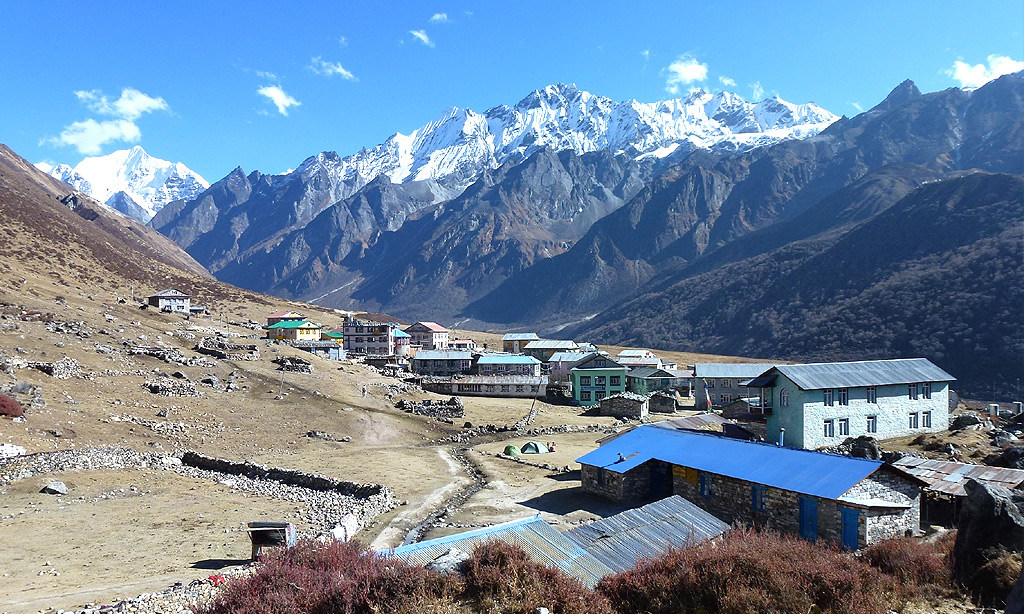
The major highlight of the Langtang Valley Trek is the breathtaking views of Langtang & Ganesh Himal Ranges and Langtang Glacier, adventurous hike through  Langtang National Park and a memorable visit to Kyangjin Gompa at the altitude of 3870m . Langtang National Park, one of the oldest parks in Nepal, is home to the rare and endangered Red Panda, Snow Leopard and Himalayan Black Bear. Kyangjin Gompa is the best viewpoint to witness Dorje Lakpa (6990m), Langtang Ri (6370m) and Langtang Lirung (7245m).

Described as 'the most beautiful valley in the world' by adventurer and writer Bill Tilman, other attractions of Langtang Valley Trek include the influence of Tibetan culture and history on local community, ancient Buddhist relics, yak trail as well as local cheese factory. Langtang Valley trail is an easy trek suitable for all age groups, from young to elderly, and it can be done any time of the year.

Nepal Environmental Treks & Expedition offers both regular and customized packages to our clients. Our packages are meticulously designed with the help of our professional trekking guides and staffs. Please contact us for further details.

Day to Day Itinerary

Accommodation

Hotel

Max Elevation

1400 m.

On your arrival at Tribhuvan International Airport, you will be met and welcomed by our airport representative. You will be greeted traditionally with flower garlands and then transfer to your hotel. In the afternoon, you can take a stroll around and visit shops. Stay overnight at hotel in Kathmandu.

Food/Meals

Breakfast/lunch/dinner

Accommodation

Lodge

Max Elevation

1960 m.

You will drive north out of Kathmandu meandering through scenic foothills and ridgeline vistas to Dhunche. Stay overnight at lodge.

Food/Meals

Breakfast/lunch/dinner

Accommodation

Lodge

Max Elevation

2581 m.

The trek today is very leisurely through forests and terraced hill slopes. As you enter Syabru, you descend to the ridgeline that separates the Langtang Khola from the Trisuli River. You will continue through the village to your campsite about fifteen minutes further on the slopes. From here you can enjoy spectacular views of Langtang Lirung (7245m.) and Tibetan Himalayan ranges. Stay overnight at lodge.

Food/Meals

Breakfast/lunch/dinner

Accommodation

Lodge

Max Elevation

2470 m.

The trail descends along the ridge onto Syabru's main street to  Ghopche Khola (2050 m.) and further to the Landslide area (1810m.). Thereafter your trek ascends gently to Rimche (2400m.) via Bamboo (1960m.) before going on a level path to Lama Hotel. En-route you can see red pandas, monkeys and bears if you are lucky. Stay overnight at lodge.

Food/Meals

Breakfast/lunch/dinner

Accommodation

Lodge

Max Elevation

3430 m.

At Ghora Tabela [3000m], the trail emerges from the forest. You can catch a sight of white monkeys and local birds. The trail continues to climb gently and the valley widens, passing a few temporary settlements used by herders who bring their livestock to graze in the high pastures during the summer months. Stay overnight at lodge.

Food/Meals

Breakfast/lunch/dinner

Accommodation

Lodge

Max Elevation

3870 m.

The trail climbs gradually through small villages and yak pastures as the valley opens out further and the views become more extensive. After crossing several small streams and moraines, the trail reaches the settlement at Kyangjin (3870m.). It is a dramatic setting, with snow covered peaks surrounding you in all directions. At this point, you can enjoy the panoramic views of Dorje Lakpa (6990m.), Langtang Ri (6370m.), Langtang Lirung (7245m.) and several other peaks. Stay overnight at lodge.

Food/Meals

Breakfast/lunch/dinner

Accommodation

Lodge

Max Elevation

4773 m.

As part of the excursion, you can visit the monastery and the cheese factory, walk up the moraine to see the spectacular ice faces and tumbling glaciers of Langtang Lirung or ascend Kyangjin Ri [4773m.], directly behind the village, for a breath-taking panorama of the Langtang peaks. Stay overnight at lodge.

Food/Meals

Breakfast/lunch/dinner

Accommodation

Lodge

Max Elevation

2470 m.

From Kyangjin you retrace your route, following the Langtang Khola to Langtang village and on to Ghora Tabela. After lunch you continue the steep descent to Lama Hotel. Stay overnight at lodge.

Food/Meals

Breakfast/lunch/dinner

Accommodation

Lodge

Max Elevation

1460 m.

The upper part of the trail is more beautiful for the panoramic view of mountains and green hill views. This path is broader and remains sunny and passes through Sherpa and Tamang villages. The first half of the trail gradually drops for some time before making a steep descent to Syabru Besi (1600m.). The main inhabitants here belong to the Tamang community who follow Tibetan lifestyle. Stay overnight at lodge.

Food/Meals

Breakfast/lunch

Accommodation

Hotel

Max Elevation

1400 m.

You drive through scenic foothills and ridgeline vistas to Kathmandu. The first part of your drive to Trishuli Bazaar is along a gravel and bumpy road. The rest of the journey is on a well paved road to Kathmandu.

Food/Meals

Breakfast

As per your flight schedule, our airport representative will transfer from your hotel to the airport for your final departure. 

Price includes the following services

a) Kathmandu

  • Airport pick-up and drop-off services by private vehicle
  • 2 night hotel accommodation with breakfast 
  • Farewell dinner in Kathmandu with live cultural performance at authentic Nepali restaurant on the last evening


b) Trekking

  • Trekking guide
  • One porter for every 2 trekking participants (1 porter carries 25 kilograms of luggage)
  • All meals three times a day (breakfast, lunch & dinner)
  • Accommodation in teahouses (lodges) during the trek
  • Trekking equipment: Sleeping bags, down jackets, duffle bags and trekking poles
  • Entry permit for Langtang National Park
  • Trekkers' Information Management System (TIMS) card
  • Land transportation from Kathmandu to Dhunche and from Syabru Besi to Kathmandu by bus/ jeep
  • Insurance and equipment for all guides and porters
  • First aid kit
  • Tax, VAT and our service charge
  • Rescue assistance (In case of emergency while trekking in mountains, we will organize prompt and professional rescue services. To arrange timely evacuation/rescue by helicopter, you must have insurance from a reliable international travel insurance company that covers both helicopter evacuation and medical treatment cost.)

Service Excludes

  • Personal expenses (telephone calls, internet, toiletries, battery recharge, laundry, all drinks including soft drinks, beers, and any alcoholic beverages)
  • Travel / Medical insurance
  • Tips for guide and porters
  • Lunch and dinner in Kathmandu
Explore the route

Altitude & route map

Select a preview to open a large, zoomable view.

Langtang Valley Trek Altitude Graph

Frequently Asked Questions for Langtang Valley Trek

This trek is considered moderate in difficulty. There are no technical climbs or extreme passes, but trekkers walk for 5–7 hours daily on mountain trails that involve gradual but steady ascents. The highest sleeping point is Kyanjin Gompa at 3870 meters, with optional side hikes up to Tserko Ri (4984m) or Kyanjin Ri (4773m.). It’s suitable for fit beginners and experienced trekkers alike, especially with proper acclimatization and pacing.

The trek typically takes 7 to 10 days, depending on your itinerary, walking pace, and whether you add rest or side-trip days

The ideal times are spring (March–May) and autumn (September–November). In spring, the forests come alive with blooming rhododendrons and wildflowers. Autumn offers the clearest skies and crisp mountain views.

Winter (December–February) is possible but brings cold weather and snow at higher altitudes. Monsoon season (June–August) is lush and green but often cloudy, wet, and muddy, with potential landslides.

You’ll need two essential permits:

  • Langtang National Park Entry Permit 
  • TIMS Card (Trekkers’ Information Management System) 

The highest overnight point is Kyanjin Gompa at 3870 meters, but many trekkers take a day hike to Tserko Ri (4,984m) or Kyanjin Ri (4,773m) for spectacular panoramic views. While the base trek is relatively safe from severe altitude illness, side hikes to these peaks can pose some risk. Acclimatization and pacing are key.

Yes, Altitude Sickness (AMS) can affect trekkers above 2500 meters. The trek's gradual ascent helps with acclimatization, but symptoms like headache, dizziness, nausea, and fatigue can occur—especially if you rush. Spending an extra night at Kyanjin Gompa before attempting high viewpoints is strongly recommended. Drink plenty of fluids, walk slowly, and listen to your body.
 

The trek passes through Tamang villages, where you'll see traditional houses, ancient monasteries, prayer wheels, and Buddhist chortens. The Tamang people have Tibetan roots, and their language, dress, and spiritual practices reflect that heritage. Kyanjin Gompa, a small monastery surrounded by glaciers and peaks, offers a spiritual and scenic highlight. Interacting with locals, staying in family-run teahouses, and participating in their daily life is a huge part of the trek’s charm.

Yes, the Langtang Valley is safe and open for trekking. The 2015 earthquake caused massive damage and loss of life in the region, especially in Langtang Village. However, thanks to international support and local resilience, the villages and trails have been rebuilt stronger and safer. Visiting Langtang today not only honors the memory of those lost but directly supports the communities working to thrive again.

Langtang sees fewer trekkers than the Everest or Annapurna regions, which makes it ideal for those seeking peace, quiet, and unspoiled nature. During peak seasons (October–November and March–April), you’ll still meet fellow trekkers, but the trails and teahouses never feel overcrowded. This balance of accessibility and tranquility is one of the trek’s strongest draws.

Nepal Environmental Treks & Expedition ensures you to provide a well planned itinerary for Langtang valley trek. An experienced and highly professional climbing guide will be assigned to each climbing member. All necessary logistics will be taken care from our side. However, we expect to maintain good health and physical condition as well as well good mental preparation from your side.

Additional Information

Below is a list of equipment and clothing required for trekking. The necessity of these items depends on the type, altitude, timing and destination of trekking. Appropriate trekking gears are not only required for the comfort/pleasure of your trek but also to improve safety factor.  Please have a look over these items in order to fully prepare and thoroughly enjoy the trekking. 

General Items:

Daypack, Rucksack, Sleeping bag, Duffel bag, Walking Poles, walking boots, sandals, Toiletries (Soaps, Toilet papers, Sanitizers, toothpaste, tooth brush, etc.)

Clothing Items:

Thermal underwear, Down jacket, Shorts, Trekking trousers, Towels, Woolen gloves, Gaiters, Fleece jacket or Pullover, Wind/water proof jacket, Raincoat, Warm socks, buff   

Sun-worn Items:

Sun hat, Sunglasses, Snow goggles, Sunscreen, Lip balm

Gadgets:

Headlamp, Flash light, Binoculars, Cameras (chargers and batteries),  

Liquid/Snacks:

Water bottle/bladder, Water purification Iodine tablets, Energy bars and snacks

Medical Essentials:

First Aid Kit 

Optional:

Altimeter, Compass, Binoculars, Books/magazines, GPS, Pocket knife, Candles (for lodges), Notebook with pencil/pen, etc 

Additional items for camping trek:

Tent, Stove and fuel, Utensils for cooking, eating and drinking, sleeping mattresses

Note: We can also provide sleeping bag, down jacket, duffel bag, walking poles, and First Aid Kit in case if you don’t have one. These items are inclusive of total package price. 

Client Reviews

Book Now Inquiry

Similar Packages

Enjoy the popular trekking and tour packages in Nepal Himalayas. 2026.

WE ARE MEMBER OF

  • Tourism Department
  • Trekking Agencies Association of Nepal
  • Nepal Mountaineering Association
  • Kathmandu Environmental Education Project
  • Himalayan Rescue Association, Nepal
  • VTOFNEPAL
  • Thamel Tourism Development Council